
English| EUR
Suggested for you
More currencies
Choose a language
Visitors searching for dolphin shows in Spain often arrive in Estepona expecting aquarium-style performances. What they find instead is something rarer: one of the Mediterranean's most reliable wild dolphin populations, visible year-round from small-group boats departing Puerto Deportivo. The distinction matters for planning, ethics, and what you'll actually see.
Quick answer
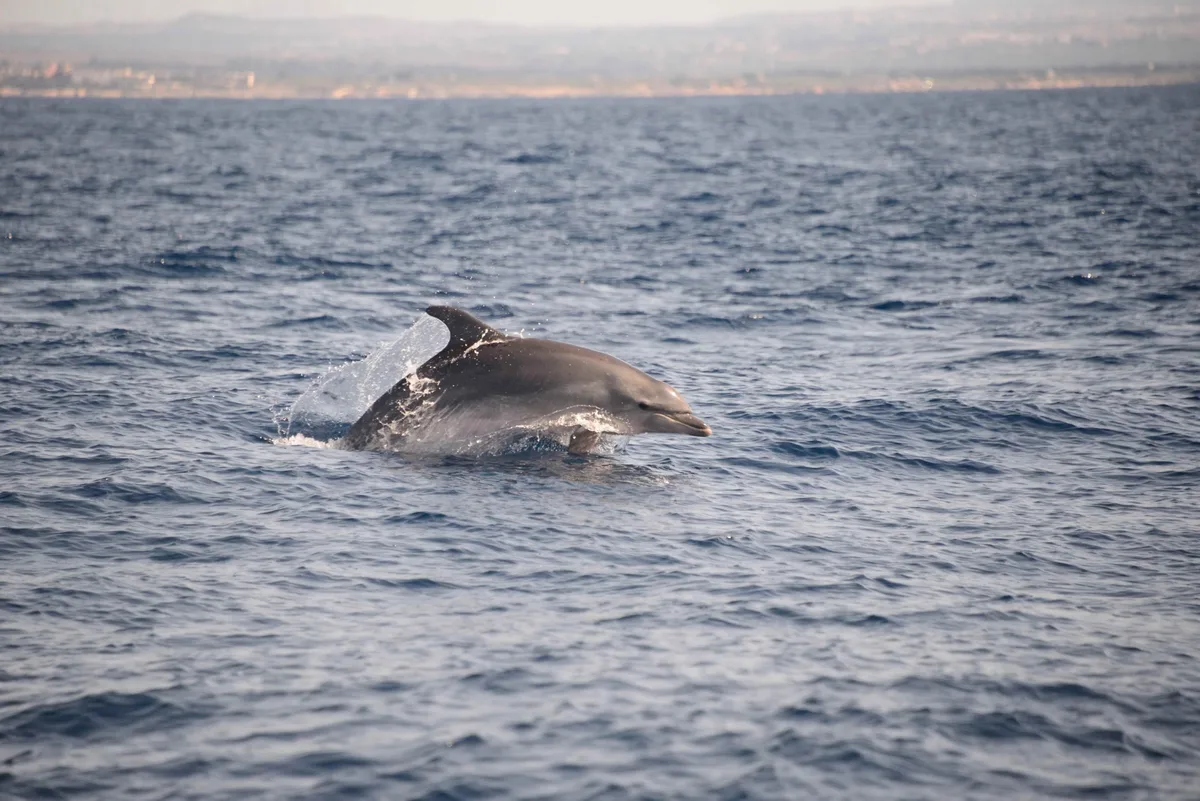
Estepona has no dolphin shows — Spain phased out captive marine mammal performances following stricter EU welfare regulations, and Andalusia never hosted major dolphinaria. Instead, the town anchors the Costa del Sol's wild dolphin watching industry, with tour operators running daily departures to observe common dolphins, bottlenose dolphins, and occasionally pilot whales in their natural habitat off the Strait of Gibraltar approach.
Spain banned the acquisition of new cetaceans for entertainment in 2024, effectively ending the era of choreographed dolphin performances that once defined Mediterranean coastal tourism. Estepona never participated in that model. Its marine economy revolves around the ecological accident of geography — the meeting point of Atlantic currents and Mediterranean waters creates nutrient upwellings that sustain one of Europe's densest dolphin populations within sight of shore. Searchers typing dolphin shows in Spain into booking engines often mean two different things: the controlled spectacle of trained animals, or simply a guaranteed sighting. Estepona delivers the second. Tour operators report encounter rates above 90 percent during peak months, but the experience diverges sharply from aquarium choreography. Wild dolphins surface unpredictably, breach without cues, and vanish when they choose. Boats idle rather than chase. Silence replaces narration. The trade-off for losing scripted tricks is proximity to animals exhibiting hunting behavior, pod communication, and calf-rearing — observable ecology rather than performance. The regulatory shift reflects broader European policy. Captive facilities that predate the ban still operate in Barcelona, Valencia, and the Canary Islands under legacy permits, but new shows cannot open and existing ones face pressure to transition toward sanctuary models. Estepona sidestepped that tension by building its reputation on wild sightings from the start, positioning the port as a base for naturalist-led excursions rather than stadium seating. Practical differences cascade from that choice. No fixed showtimes exist — departure schedules follow tide and wind rather than performance slots. No ticket tiers separate premium seating from standard views, because every position on a twelve-passenger catamaran offers unobstructed sightlines. Photography depends on the animals' behavior, not a trainer's whistle. The infrastructure reflects a different priority: Puerto Deportivo maintains no holding tanks, just mooring slips for tour vessels and a harbourmaster's office that tracks daily sightings to guide morning briefings.
“Spain's 2024 cetacean acquisition ban ended new dolphin shows, but Estepona never needed them — its wild populations already drew crowds.”
There are no captive dolphin shows in Estepona. Costs refer exclusively to wild dolphin watching tours operated from the marina.
Verdict: A typical adult pays from 40 EUR for a wild dolphin watching tour, depending on the chosen excursion provider.
To observe dolphins in their natural habitat, the best arrival window is 09:00–12:00. Morning seas are typically the calmest, providing the best visibility for wild dolphin spotting compared to captive shows.
Mild 18°C–22°C; calm waters
The transition to warmer temperatures increases sea life activity while avoiding peak summer crowds.
Warm 25°C–30°C; predictable seas
Wildlife remains active, though higher vessel traffic requires early departures for optimal sightings.
Mild 20°C–24°C; stable conditions
Lower temperatures and reduced visitor numbers provide a quiet environment for spotting pods in the Strait of Gibraltar.
—
Morning departures offer the highest probability of calm seas and clear visibility for observing wild dolphin behavior.
Verdict: The optimal period is weekday mornings between 09:00 and 12:00 during the months of April, May, or October.
Dolphin watching excursions in Estepona depart from the Puerto Deportivo de Estepona, which focuses exclusively on wild marine life rather than captive displays. The port is easily accessible via the main coastal road or local transport.
A-7 Autovía del Mediterráneo, exit 155
Avanza L-79 or L-77 to Estepona Port
Walk towards the coastline at the Puerto Deportivo
Request drop-off at the main entrance of Puerto Deportivo de Estepona
Head to the address Puerto Deportivo de Estepona, 29680 Estepona, Málaga, Spain. Parking is available within the port area, though spaces can fill quickly during peak periods.
Everything you need to know about dolphin shows in spain
There are no captive facilities or dolphin shows in spain located in Estepona. The area focuses exclusively on the observation of marine mammals in their natural habitat.
Captive shows involve animals performing in enclosures, whereas wild excursions involve observing dolphins in the Mediterranean Sea. Respectful observation of these animals in the open ocean provides a genuine look at their natural behavior.
Booking in advance is recommended to secure your place on the vessel, especially during peak seasons. You can find availability and booking options on our official site to plan your visit to the Puerto Deportivo.
There is an entrance fee of 0 EUR for dolphin shows in spain as they do not exist in this region. Wild dolphin tours typically cost from 40 EUR for an excursion into the sea.
These excursions involve navigating the coastline to locate pods of dolphins in the wild. Participants often see these creatures surfacing and swimming alongside the boat, which is a different experience from typical dolphin shows in spain.
Children are generally welcome on these boat trips, which serve as an educational opportunity to learn about marine biology. Please check the booking platform for specific age guidelines and safety information.
While many outdoor activities depend on weather conditions, wild tours operate during appropriate windows. Since there are no captive dolphin shows in spain here, all marine experiences depend on sea conditions and wildlife presence.