
English| EUR
Suggested for you
More currencies
Choose a language
The waters off Spain's southern coast support three resident dolphin species and several seasonal visitors. The Strait of Gibraltar and the Alboran Sea create nutrient-rich conditions that sustain marine mammals year-round. This guide covers which species you might encounter, when they appear, and what drives their movements along the Andalucian coast.
Quick answer
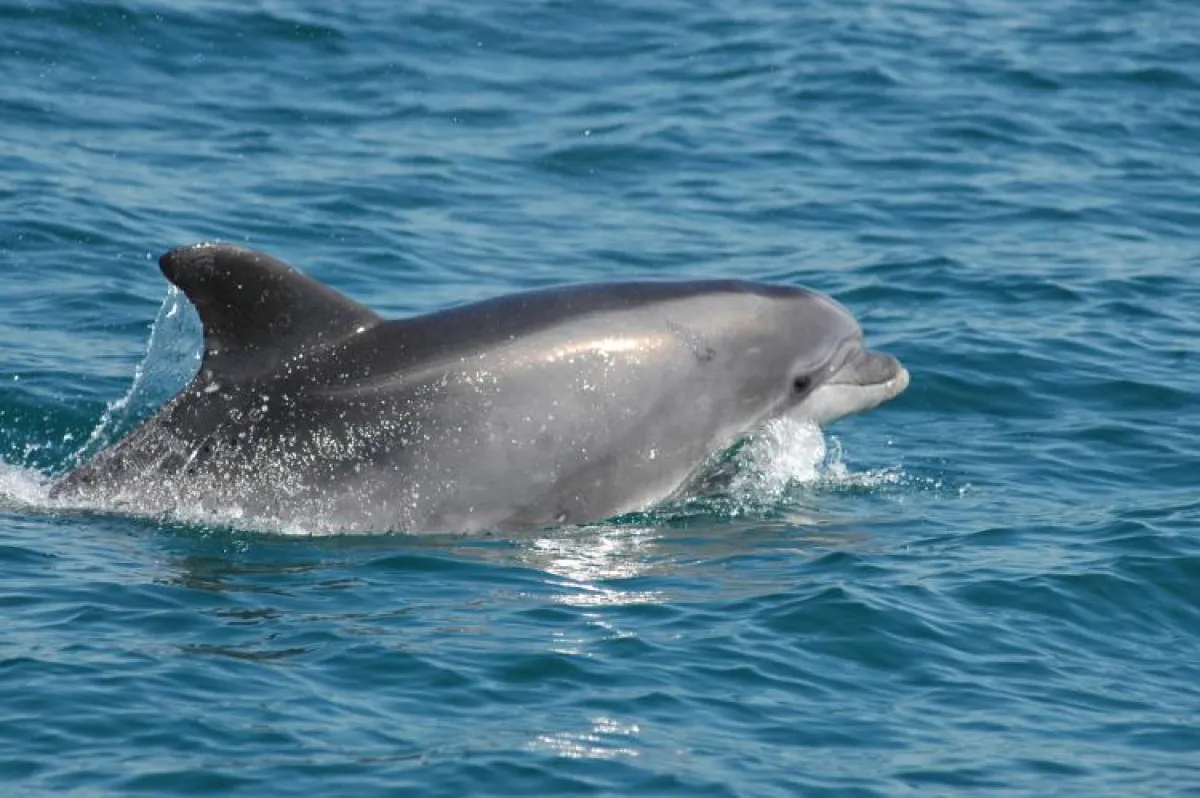
Yes, there are dolphins in Spain. Three species inhabit the Costa del Sol year-round: common dolphins, bottlenose dolphins, and striped dolphins. The Strait of Gibraltar, where the Atlantic meets the Mediterranean, creates upwelling currents that concentrate prey fish and make the region one of Europe's most reliable areas for dolphin sightings. Pilot whales and occasional orcas also pass through these waters during migration seasons.
The Alboran Sea holds the highest cetacean density in the Mediterranean. Five dolphin species use these waters regularly, drawn by the collision of Atlantic and Mediterranean currents that forces nutrient-rich water to the surface. Common dolphins travel in pods of twenty to two hundred individuals. They hunt sardines and anchovies in coordinated formations, often leaping clear of the water when feeding. Bottlenose dolphins stay closer to shore in smaller groups, occupying the coastal shallows from Estepona to Marbella. Striped dolphins prefer deeper offshore waters and surface less frequently than the other two species. All three breed in Spanish waters and maintain year-round populations, though pod sizes fluctuate with seasonal prey movements. The question of whether dolphins live in Spain reflects broader curiosity about marine wildlife presence along developed coastlines. Industrial fishing reduced Mediterranean dolphin numbers through the twentieth century, but targeted conservation efforts since the 1990s stabilized populations in the Strait of Gibraltar. The area now functions as a de facto marine corridor, with sightings recorded on roughly seventy percent of excursions departing from Estepona's marina between April and October. Winter months see fewer surface encounters as dolphins spend more time at depth, following prey into colder water columns. Spain's dolphin-watching industry operates under regulations that prohibit vessels from approaching within sixty meters of cetaceans or intercepting their travel paths. Licensed operators follow guidelines established by the Spanish Ministry for Ecological Transition, which designate the Strait of Gibraltar as a Special Area of Conservation. These protections allow sustained observation without disrupting feeding or breeding behavior, ensuring that are there dolphins in Spain remains a question with an affirmative answer for future visitors.
“The Alboran Sea holds the highest cetacean density in the Mediterranean, sustained by the collision of Atlantic and Mediterranean currents.”
The optimal window for observing dolphins in Estepona is during the spring and autumn months, specifically when sea conditions are at their calmest. Visitors should prioritize the morning hours to maximize visibility and encounter potential marine wildlife activity.
Mild temperatures of 18°C–22°C
The sea is calm as migratory patterns shift. Dolphins are frequently active in these waters during this period.
Warm temperatures of 25°C–30°C
While dolphins remain present, higher vessel traffic can influence wildlife behavior. Early outings are necessary.
Pleasant temperatures of 20°C–24°C
Sea conditions often stabilize, providing clear observation opportunities. This is a favorable time for sightings.
—
Morning trips usually offer calmer seas and better visibility for spotting marine life.
Verdict: The best time for sightings is between April and October, specifically during the best arrival window of 10:00–12:00 to utilize the calmest sea conditions.
Dolphin watching excursions from the Estepona port operate daily throughout the week.
Boat excursions depart from the Puerto Deportivo de Estepona, located along the western end of the Costa del Sol. Access to the port is straightforward via the A-7 coastal highway.
A-7 highway, exit 155 to Puerto Deportivo
L-79 bus line to Estepona Port stop
Walk south toward the coast via Avenida del Carmen
Parking is available within the Puerto Deportivo de Estepona complex. We recommend arriving early to navigate the port area and reach your departure point.
Everything you need to know about are there dolphins in spain
Yes, the coastal waters of Estepona are home to several resident species, meaning the answer to are there dolphins in Spain in this region is a definite yes. Many visitors enjoy observing these intelligent creatures in their natural habitat throughout the year.
Morning trips between 10:00 and 12:00 are recommended as they offer calmer seas and better visibility for spotting marine life. Checking local weather conditions often helps ensure a more comfortable experience while looking for dolphins in Spain.
While walk-ins may be possible, booking your Estepona marine wildlife tour ensures you have a secured spot. Planning ahead is particularly important during peak seasons to guarantee availability for your preferred day.
The typical starting price for a 2-hour boat excursion is 40 EUR per person. This fee covers the vessel journey into the Mediterranean to locate pods of dolphins in Spain.
Yes, families are generally welcome on these excursions, making it a suitable activity for those interested in showing children wild animals in their natural environment. It is always wise to confirm specific age requirements when reviewing your chosen provider's details.
The Alboran Sea serves as a crucial corridor for various cetaceans, including common, striped, and bottlenose dolphins. These mammals frequently travel through these waters, which explains why so many travelers ask if are there dolphins in Spain when planning their visit.